Plan your visit. 225 Madison Avenue at 36th Street, New York, NY 10016.
Plan your visit. 225 Madison Avenue at 36th Street, New York, NY 10016.
Search
-
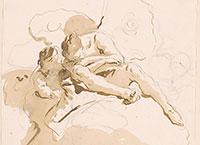
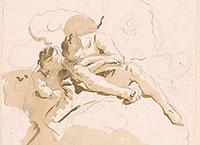
The symposium is devoted to the drawings of the Tiepolo family, and is presented in conjunction with the exhibition Spirit and Invention: Drawings by Giambattista and Domenico Tiepolo.
Presented on January 25, 2024 by the Morgan Drawing Institute.
Videos -
The symposium is devoted to the drawings of the Tiepolo family, and is presented in conjunction with the exhibition Spirit and Invention: Drawings by Giambattista and Domenico Tiepolo.
Presented on January 25, 2024 by the Morgan Drawing Institute.
Videos -
A widely connected pioneer of Pop and mail art, Ray Johnson (1927–1995) was described as “New York’s most famous unknown artist.” Best known for his multimedia collages, he stopped exhibiting in 1991, but his output did not diminish.
Videos -
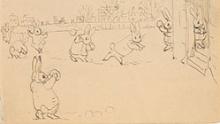
The original ideas for many of Beatrix Potter's stories can be found in the manuscript picture letters she wrote to children of friends and family members.
Videos -
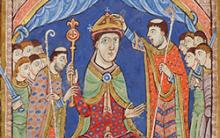
Take a closer look at this 900 year old English manuscript with Dei Jackson, Assistant Curator of Medieval and Renaissance Manuscripts as she tells the story of St. Edmund.
Videos -
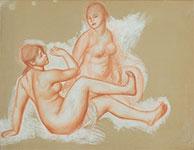
Learn more about the large-scale preparatory sketch for one of Renoir’s most significant paintings. Dr. Colin B. Bailey, the Katharine J.
Videos -
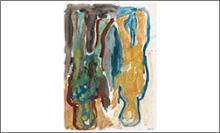
Isabelle Dervaux discusses one of the most celebrated contemporary German artists, Georg Baselitz. He gained international recognition in the 1960s for revitalizing figurative painting.
Videos -
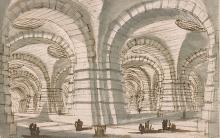
The symposium is devoted to the drawings of the artist Giovanni Battista Piranesi (1720–1778) and takes place in conjunction with the exhibition Sublime Ideas: Drawings by Giovanni Battista Piranesi on view at the Morgan f
Videos -
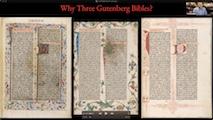
The Gutenberg Bible is the first monument to the invention of the printing press in western culture. The Morgan is the only institution in the world to have three significant copies, all purchased by J. Pierpont Morgan.
Videos -
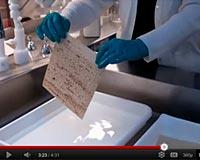
In 2011 the manuscript of A Christmas Carol received extensive treatment by conservators at the Morgan's Thaw Conservation Center.
Videos