
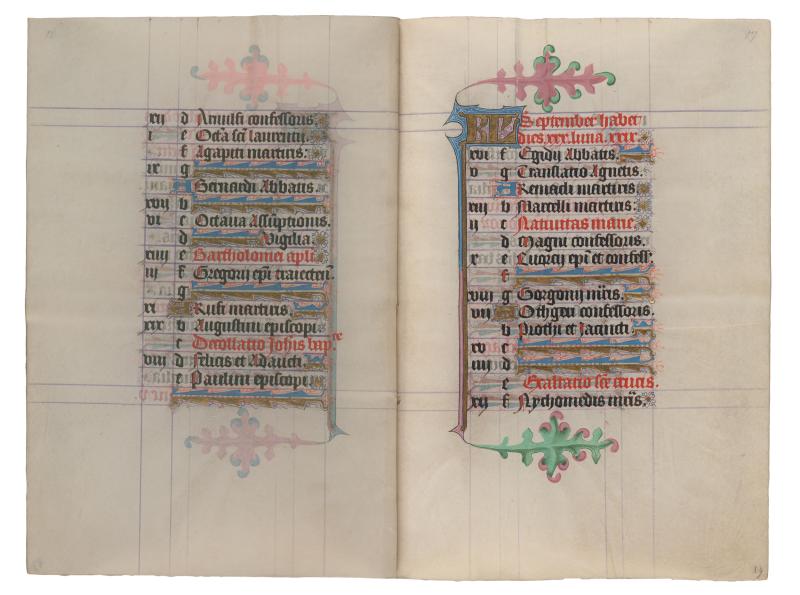
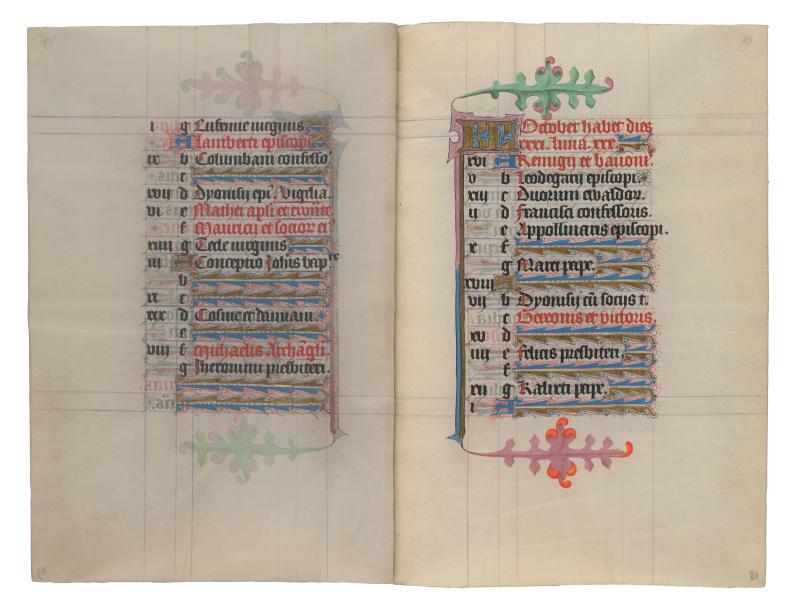
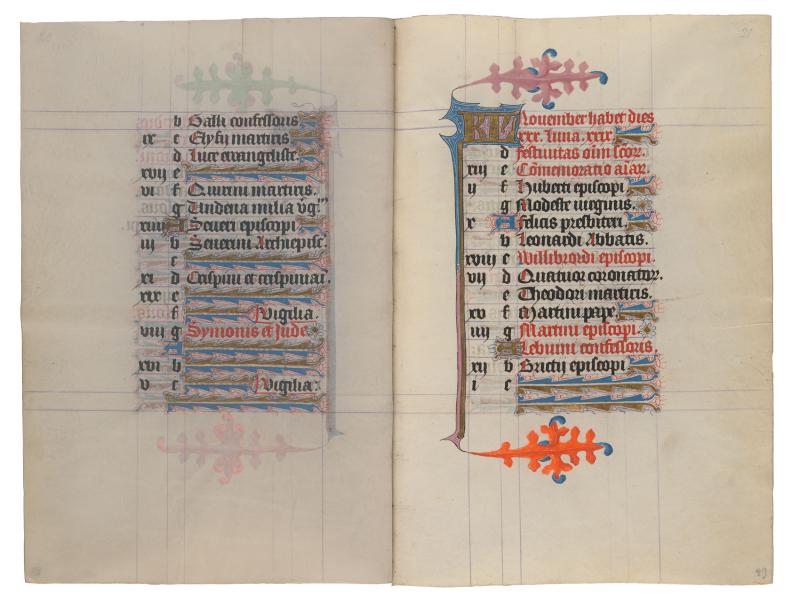
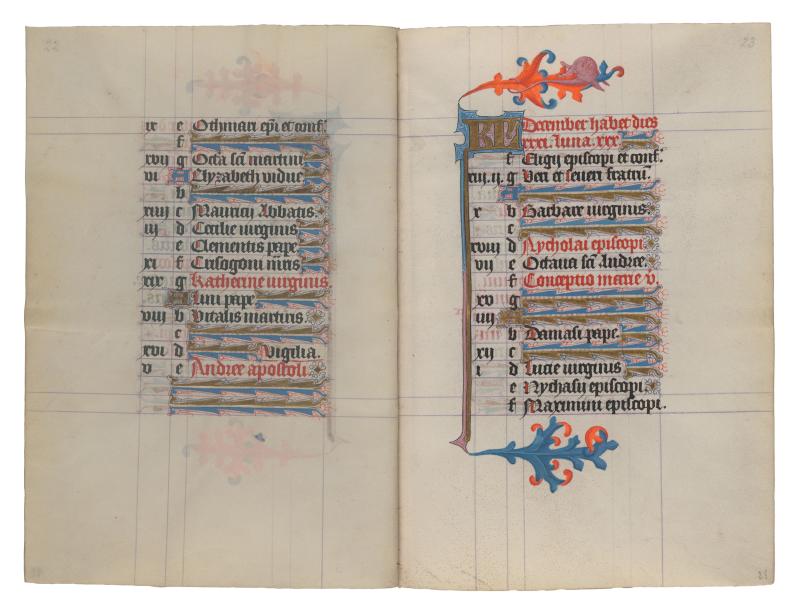
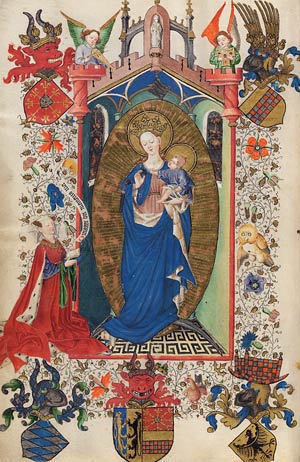
Curator Roger Wieck discusses selections from the Hours of Catherine of Cleves.
Listen to prayers:
Hours of the Virgin
Office of the Dead
Saturday Mass of the Virgin
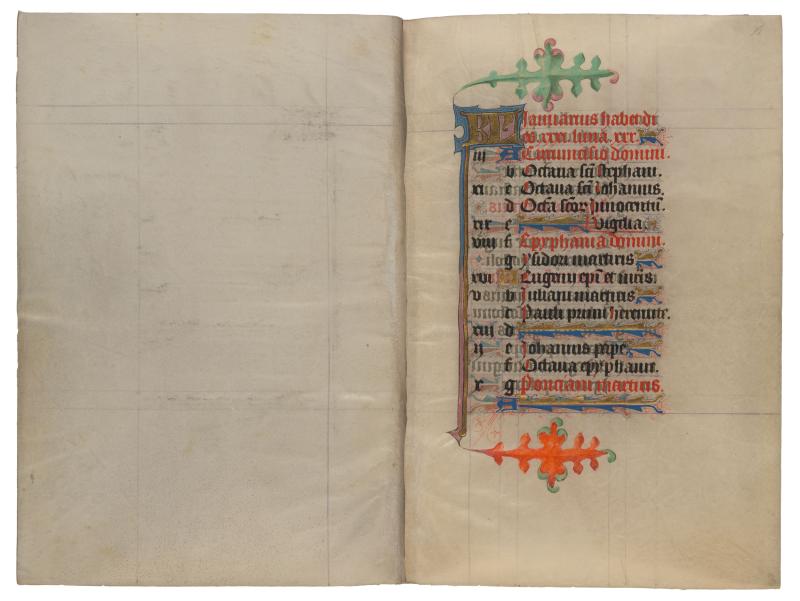
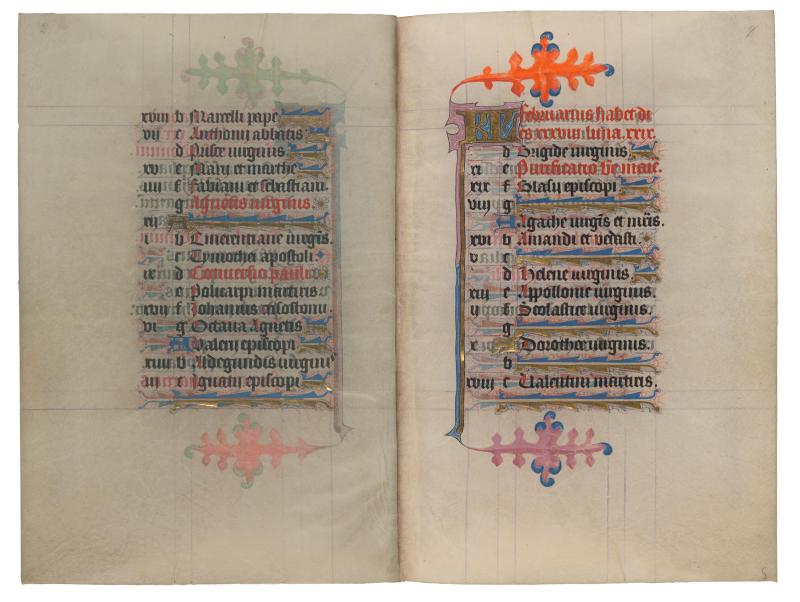
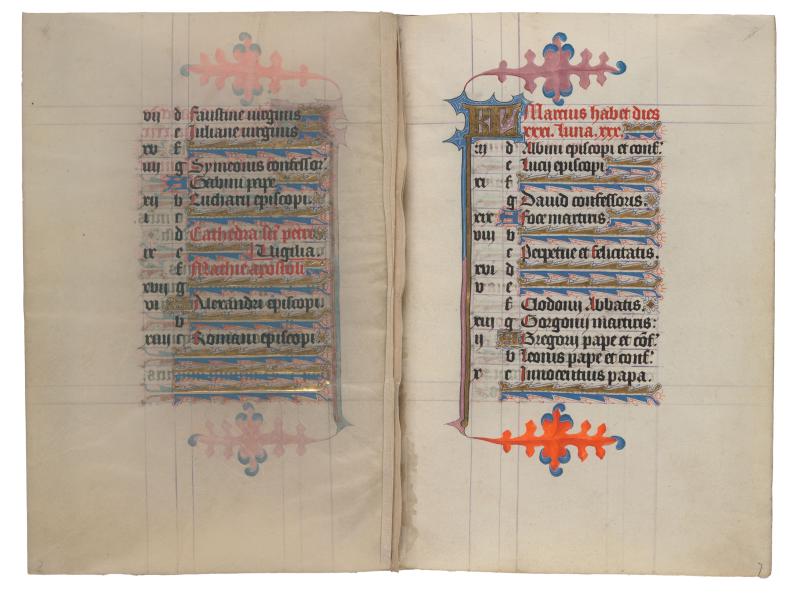
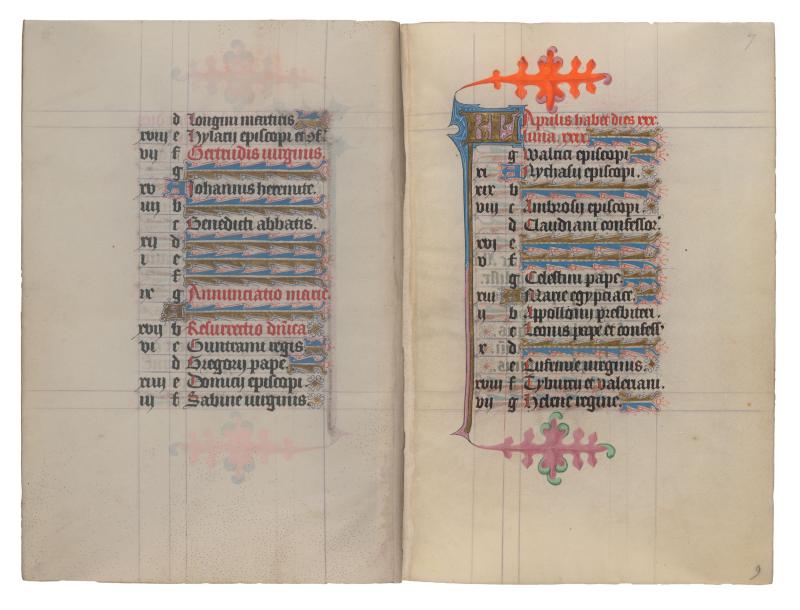
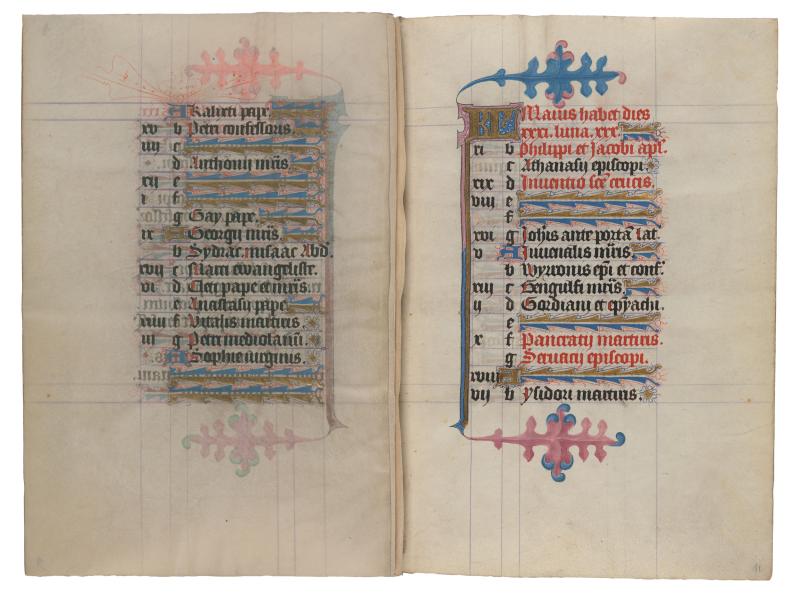
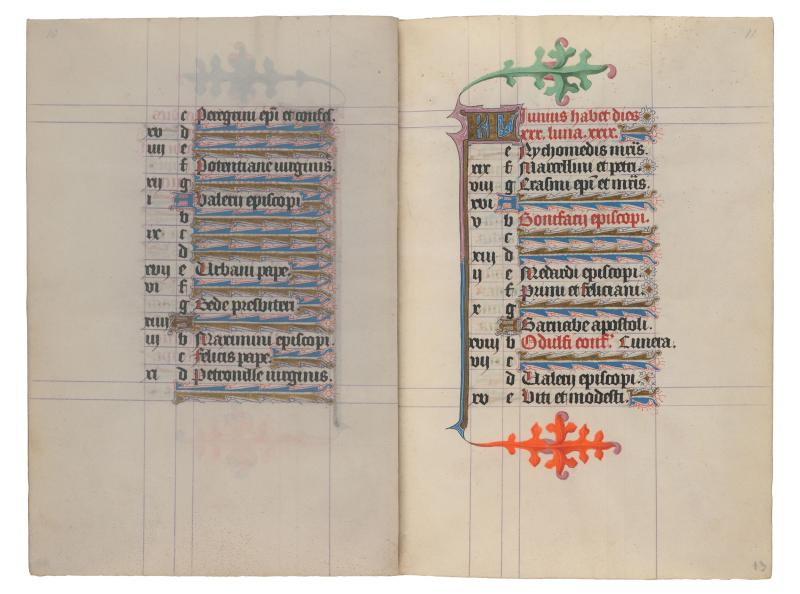
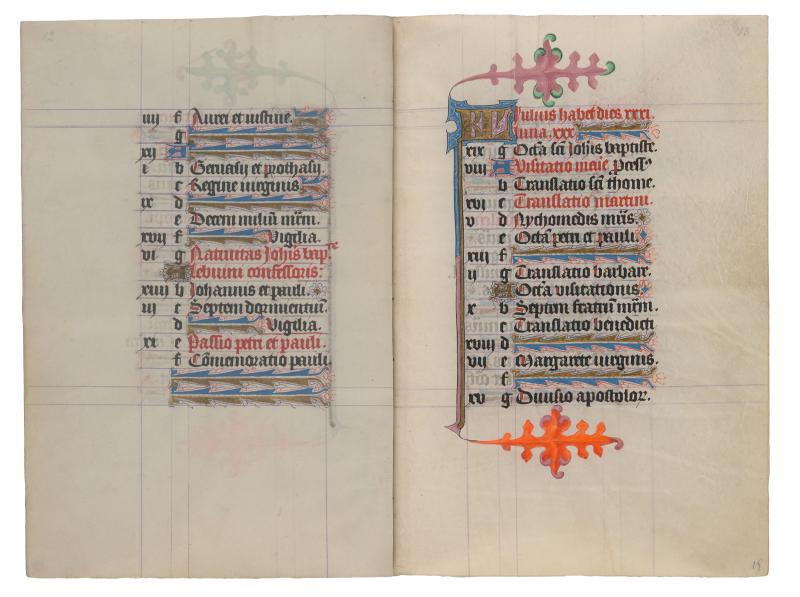
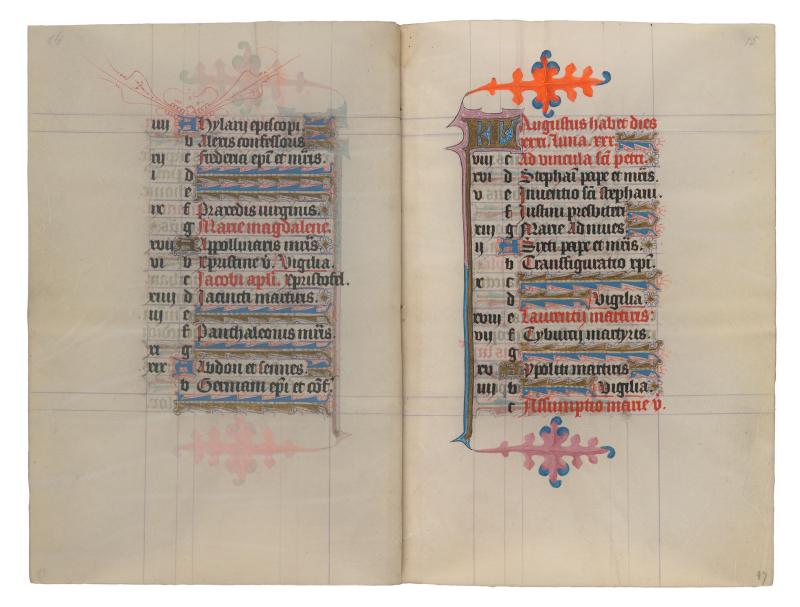
This digital facsimile provides reproductions of all pages from the Hours of Catherine of Cleves. The original one-volume prayer book had been taken apart in the nineteenth century; the leaves were shuffled and then rebound into two confusing volumes. This presentation offers the manuscript in its original, fifteenth-century sequence.
The Hours of Catherine of Cleves is the greatest Dutch illuminated manuscript in the world. Its 157 miniatures are by the gifted Master of Catherine of Cleves (active ca. 1435–60), who is named after this book. The Master of Catherine of Cleves is considered the finest and most original illuminator of the medieval northern Netherlands, and this manuscript is his masterpiece.
The manuscript Catherine commissioned is a prayer book containing an unusually rich series of devotions illustrated with especially elaborate suites of miniatures. The artist's keen sense of observation combined with an interest in everyday objects was a style far ahead of its time (it would come to flower in seventeenth-century Dutch still-life painting). All the miniatures are filled with amazing detail. Narrative was also one of the great talents of the Master of Catherine of Cleves—he could tell a good story. Finally, Catherine's codex is famous for the artist's innovative borders, no two of which are alike.
Who Was Catherine of Cleves?
Catherine of Cleves (1417–1476) is known for two things: her Book of Hours and her protracted political battle against her husband. In 1430 she married Arnold of Egmond (1410 –1473), becoming duchess of Guelders. Although she bore her husband six children, the marriage was not happy. By 1440 Catherine refused to live with him.
War between husband and wife was sparked by Arnold's disinheriting his only living son, Adolf (1438–1477; rumor had it that Adolf accused his father of homosexuality). Catherine's siding with her son in the conflict led to anarchy. The cities of Nijmegen, Zutphen, and Arnhem supported Catherine and her son; Roermond sided with the duke. In 1465 mother and son imprisoned Arnold, forcing him to abdicate. Adolf, as duke, spent six years in ceaseless struggles with his father's supporters.
In 1471 Catherine watched in horror as Arnold secured his freedom and regained his title while Adolf was imprisoned. Arnold died in 1473, disinheriting both wife and son. Catherine's death in 1476 robbed her seeing the release of her son. Adolf's liberty was short-lived; he died the next year.