

Collection Highlights
See highlights of J. Pierpont Morgan's immense holdings of Egyptian art, Renaissance paintings, Chinese porcelains, illuminated, literary, and historical manuscripts, early printed books, and old master drawings and prints.
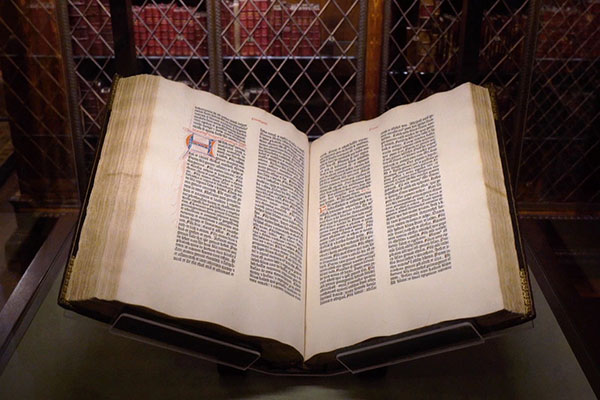
Collection in Focus
Watch Morgan staff disucssing a selection of items from the Morgan's collection in this video series.
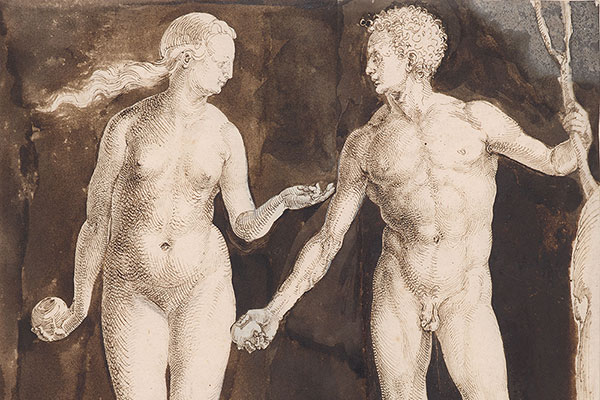
Drawings
Drawings Online provides the public and specialists with a digital library of over 10,000 images, representing works of art spanning the fifteenth through nineteenth centuries.

Modern and Contemporary Drawings
The Morgan’s collection of Modern and Contemporary Drawings spans the twentieth- and early twenty-first centuries, illuminating the diverse contributions made by artists working on paper to the history of modern art.
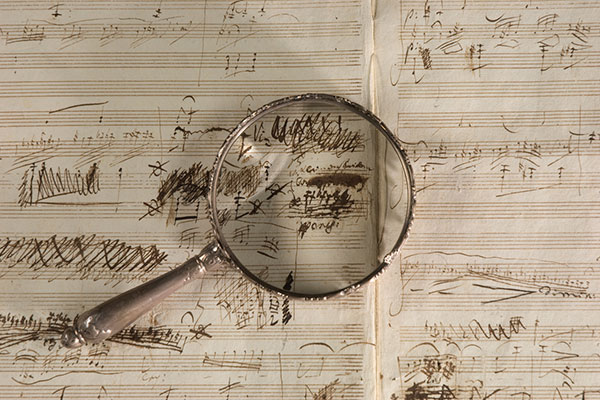
Music Manuscripts
These pages provide access to digitized versions of more than 700 music manuscripts.
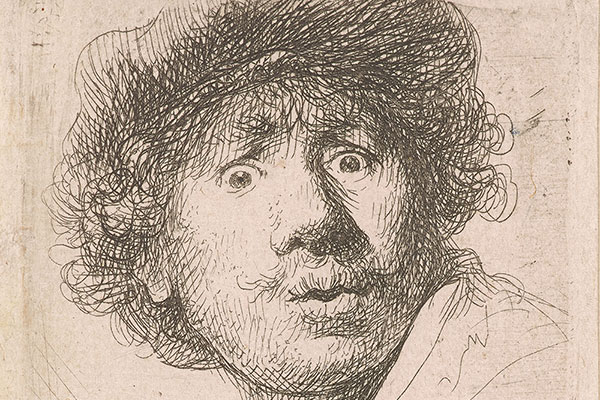
Rembrandt Prints
This online feature makes almost 500 images from the Morgan's exceptional collection of Rembrandt etchings available for the first time.
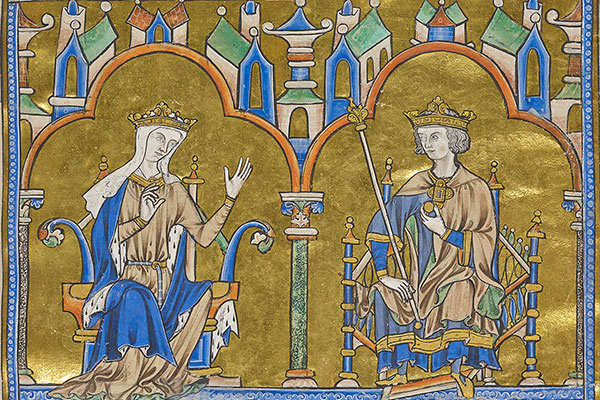
Medieval and Renaissance Manuscripts
Thousands of images from the Morgan’s renowned collection of medieval and Renaissance manuscripts are available on this website.
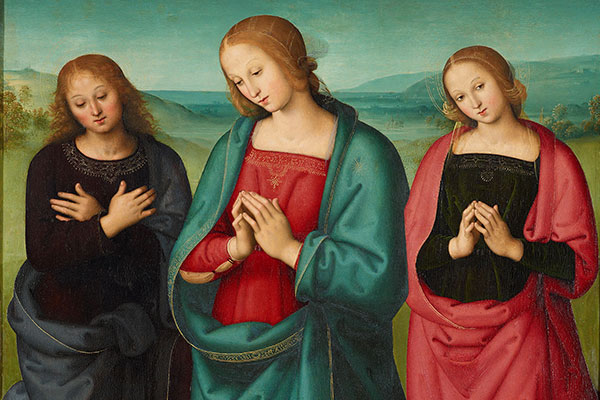
Paintings and Art Objects
Browse images of paintings, objects, sculpture, and oil sketches from the Morgan's collection.
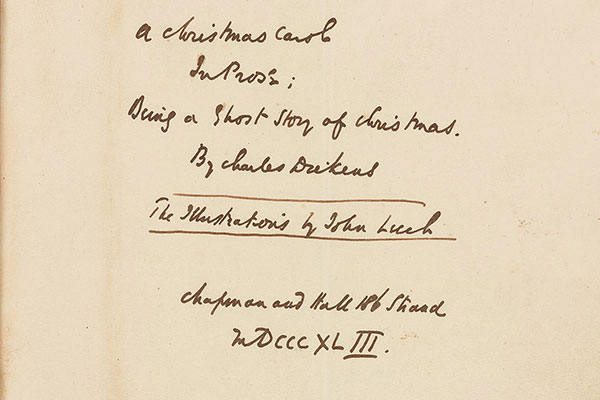
Digital Facsimiles
Explore digital facsimiles of entire manuscripts, books, and sketchbooks.
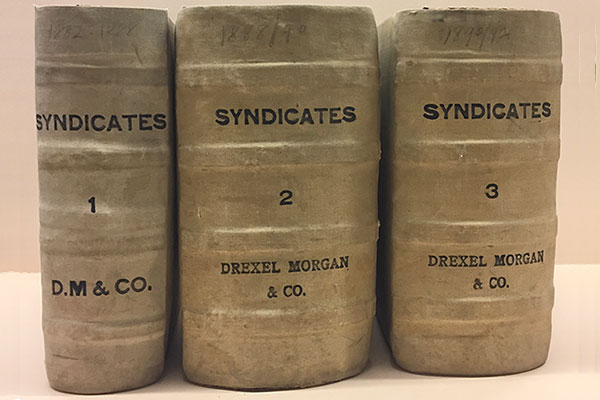
Syndicate records of the Morgan financial firms
Access a series of fifteen record books that document every syndicate that Drexel, Morgan & Co. and its successor firm J. P. Morgan & Co. formed or participated in from 1882 to 1933.

CORSAIR Collection Catalog
CORSAIR provides access to over 330,000 records for medieval and Renaissance manuscripts, rare and reference books, literary and historical manuscripts, music scores, ancient seals and tablets, drawings, prints, and other art objects.
Cataloging Principles at the Morgan